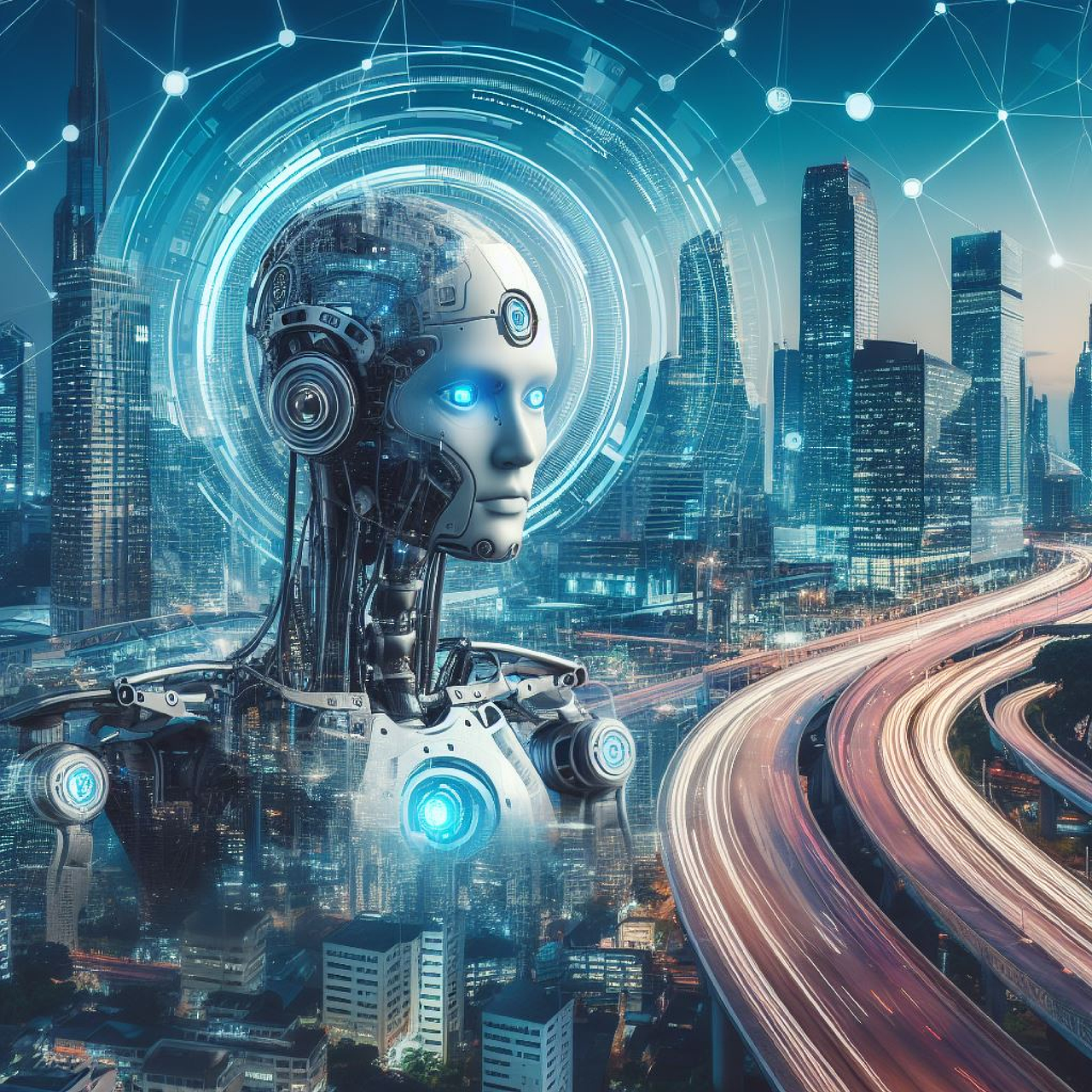
In the fast-changing world of digital business, customer relationships have become the heart of success. Companies are no longer focused only on making one-time sales — they aim to build lasting connections that lead to loyalty, referrals, and consistent growth. As we move deeper into 2025, one technology stands out as the ultimate driver of this transformation: CRM (Customer Relationship Management) software.
1. CRM in 2025: Beyond a Contact Database
A decade ago, CRM systems were primarily used to store customer data — names, emails, and sales records. But in 2025, CRM has evolved into a smart, AI-driven ecosystem that integrates marketing, sales, and customer support.
Modern CRM software collects data from multiple sources — websites, emails, chatbots, and social media — then analyzes it to deliver deep insights into customer behavior.
This means businesses can now understand their customers better than ever, predicting needs and tailoring every interaction for maximum impact.
2. The Power of Personalization
Personalization is the foundation of any strong relationship — and CRM tools in 2025 take it to a new level.
Using machine learning and predictive analytics, modern CRM systems can:
- Recommend products based on previous purchases.
- Send automated yet personal messages at the right time.
- Customize offers according to customer preferences and behavior patterns.
This hyper-personalized approach makes customers feel recognized and valued, which is crucial in maintaining long-term trust and loyalty.
3. Strengthening Communication Across Channels
Today’s customers engage with brands on multiple platforms — from social media to live chat, email, and mobile apps.
CRM systems in 2025 act as the central hub for omnichannel communication, ensuring that every conversation is consistent and seamless.
For example, if a customer contacts support through WhatsApp and later sends an email, the CRM keeps a unified history of all interactions.
This helps teams respond quickly, understand context, and deliver a personalized, professional experience every time.
4. AI and Automation: The Future of Relationship Building
Artificial Intelligence is at the core of the next-generation CRM.
AI-powered CRM systems automatically track customer behavior, identify churn risks, and trigger automated retention workflows — such as loyalty offers, surveys, or follow-up reminders.
Furthermore, AI-driven chatbots and virtual assistants enhance communication by handling routine questions instantly.
This allows human agents to focus on more complex issues, while customers enjoy faster response times and better service quality.
5. Turning Data into Actionable Insights
The biggest advantage of CRM software in 2025 is data intelligence.
With built-in analytics dashboards, businesses can easily track:
- Customer satisfaction levels
- Repeat purchase rates
- Response times and engagement scores
By understanding what customers want — and when they want it — companies can fine-tune their strategies to deliver exceptional, data-backed experiences.
This not only strengthens relationships but also drives long-term business growth.
6. The Human Touch in a Digital World
Despite all the technology, successful customer relationships still rely on the human element.
CRM tools don’t replace human connection — they enhance it.
By automating repetitive tasks and providing valuable insights, CRM gives teams the time and information they need to focus on empathy, trust, and authentic engagement.
In 2025, businesses that blend technology with genuine care will be the ones that stand out and succeed.
7. Conclusion: CRM Is the Foundation of Loyalty in 2025
Customer loyalty is no longer built by chance — it’s built by data, consistency, and connection.
CRM software has become the backbone of customer relationships, enabling businesses to deliver personalized experiences, predict customer needs, and nurture long-term loyalty.
In short, CRM is not just a business tool — it’s the key to building meaningful, lasting relationships that will define success in 2025 and beyond.