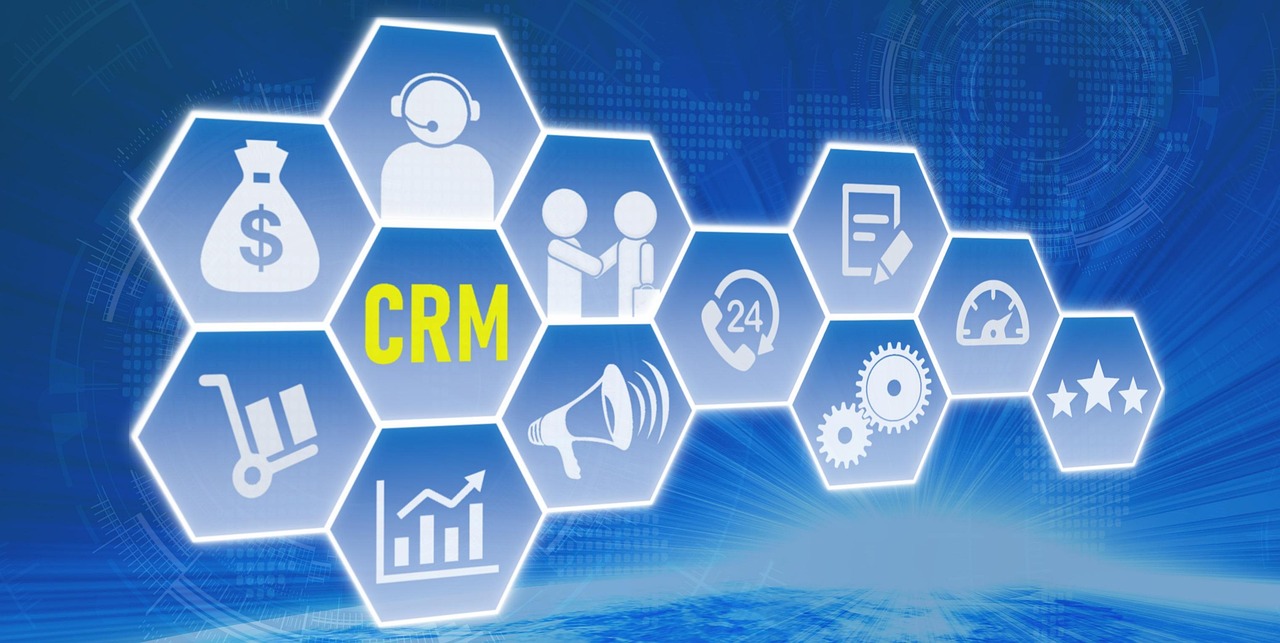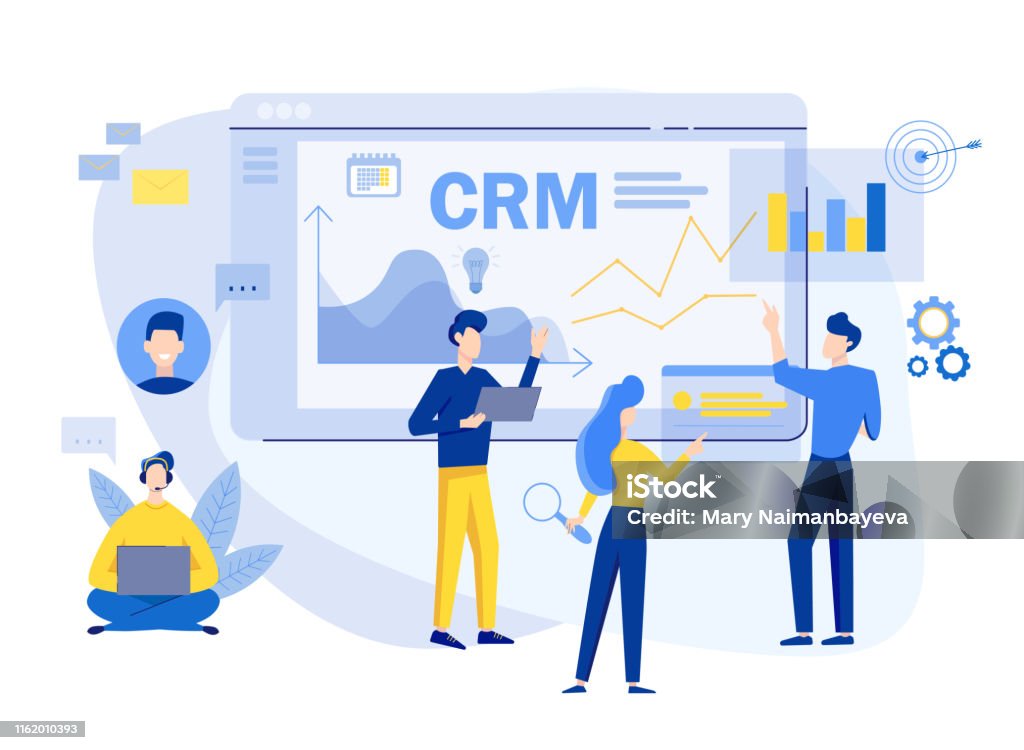
In 2025, competition among small businesses has never been tougher. Customers expect faster service, personalized offers, and real-time communication. To meet these expectations, Customer Relationship Management (CRM) tools have become essential for small business growth. Once reserved for large enterprises, CRM systems are now accessible, affordable, and more powerful than ever — helping small businesses compete on a global scale.
What Is a CRM Tool and Why It Matters
A CRM tool is software that helps businesses manage interactions with current and potential customers. It organizes customer data, tracks sales, automates marketing, and improves customer service.
For small businesses, a CRM is more than just a contact database — it’s a strategic asset that turns relationships into revenue. By centralizing customer information, small teams can work more efficiently, avoid missed opportunities, and deliver exceptional service.
Key Benefits of CRM for Small Businesses
1. Improved Customer Insights
CRM software collects valuable data about each customer — including purchase history, communication preferences, and feedback. These insights allow businesses to personalize offers and build stronger connections, increasing both customer loyalty and lifetime value.
2. Enhanced Productivity Through Automation
Modern CRM platforms automate repetitive tasks like sending follow-up emails, scheduling meetings, or updating contact details. This frees up time for small business owners to focus on strategic growth instead of manual work.
3. Streamlined Sales and Marketing
A CRM integrates sales pipelines and marketing campaigns in one dashboard. This helps teams track leads, measure performance, and identify which marketing efforts bring the best ROI.
4. Better Customer Service
With access to full customer history, support teams can resolve issues faster and provide a more personalized experience. In 2025, where customer experience (CX) is a major differentiator, this can make or break a business.
5. Data-Driven Decision Making
CRM tools offer powerful analytics and real-time reporting. By understanding which products sell best or which customers are most profitable, small businesses can make smarter, data-backed decisions.
Best CRM Tools for Small Businesses in 2025
Here are some of the top-rated CRM platforms that are ideal for small businesses this year:
- HubSpot CRM – Free, easy to use, and great for growing teams.
- Zoho CRM – Affordable with robust automation features.
- Pipedrive – Focused on sales pipeline management.
- Salesforce Essentials – A simplified version of the enterprise CRM, built for small businesses.
- Freshsales by Freshworks – AI-powered insights with excellent mobile support.
Each of these tools offers unique features and pricing, making it easier for small business owners to find the right fit for their needs and budget.
How to Successfully Implement a CRM System
- Identify Your Goals – Define what you want to achieve: higher sales, better service, or improved marketing.
- Choose the Right CRM – Select one that fits your team size, industry, and workflow.
- Train Your Team – Ensure every member knows how to use the CRM effectively.
- Integrate with Other Tools – Connect your CRM with email marketing, accounting, or e-commerce systems.
- Analyze and Optimize – Use reports and data insights to continuously refine your strategy.
The Future of CRM for Small Businesses
By 2025, CRM systems are smarter than ever — powered by AI, predictive analytics, and automation. Small businesses that embrace these technologies gain a competitive advantage by understanding customers deeply and responding faster to market changes.
With CRM, even the smallest company can provide enterprise-level service — and that’s what modern customers expect.
Conclusion
CRM tools are no longer a luxury for big corporations — they’re a necessity for survival in today’s competitive market. For small businesses, leveraging CRM technology means staying organized, building stronger relationships, and competing effectively in 2025’s digital economy.